Reporting an earthquake
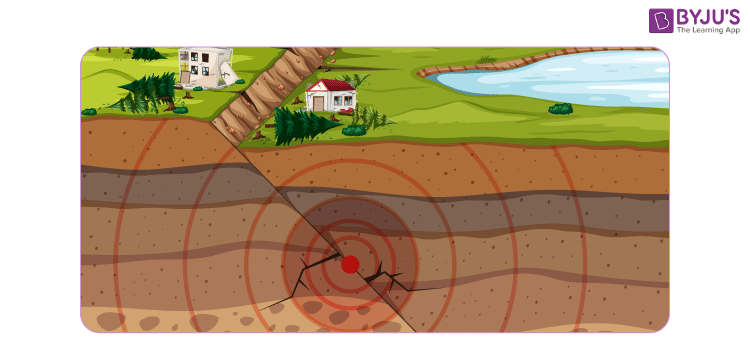
The tectonic plates are always slowly moving, but they get stuck at their edges due to friction. When the stress on the edge overcomes the friction, an earthquake releases energy in waves that travel through the earth's crust and cause the shaking that we feel.
"As we know the Indian and the Eurasian plates are colliding, so the Himalayas are always active. This event happened towards the Eurasian plate but was a very strong earthquake, so the energy was also felt here.
Smaller aftershocks are possible but the source is very far so it's unlikely to impact us,” AP Pandey, a seismologist at National Centre for Seismology, said.
People were seen rushing out of their homes in many parts of north India such as Punjab's Ludhiana, Jammu, and Srinagar among other places.
“Not since the earthquake of 2005 have the tremors in Srinagar been bad enough to force me out of the house. I grabbed a blanket & ran. I didn’t remember to take my phone & so was unable to tweet “earthquake” while the damn ground was shaking,” National Conference leader Omar Abdullah tweeted.
Here are the last 3 years' reports of earthquakes according to the news:
04-Jan-2016 India, Myanmar, Bangladesh
03-Jan-2017 India, Bangladesh
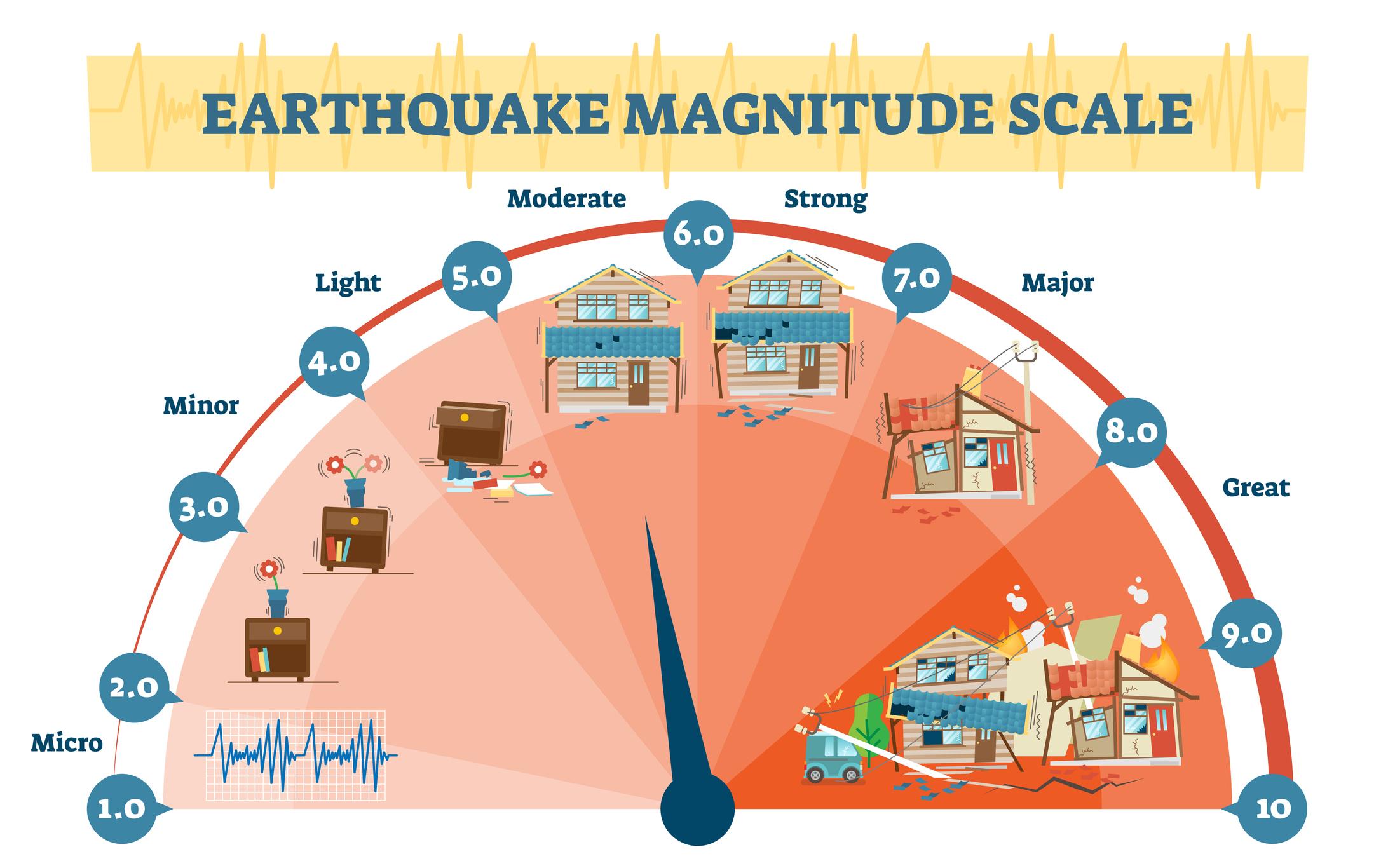
(5.7 magnitudes).
28-April-2021 Assam
(6.0 magnitude).
- Secure Your Space.
- Plan to be Safe.
- Organize Disaster Supplies.
- Minimize Financial Hardship.
- Drop, Cover, and Hold On.
- Improve Safety.
- Reconnect and Restore
Well shared it is based on real content too good 🐱🤩.
ReplyDeleteWell written 👏
ReplyDeleteI know we are pressed of time. but try to eleborate
ReplyDeleteone thing i like in your blog is you writtn all main things in bulleten point i really liked this.
in scale of 1 to 10 i'll give 8
That's gr8 👏🏼👍
ReplyDeleteThanks to all
ReplyDelete